Detroit 101: The No-BS Guide to Moving to the Motor City
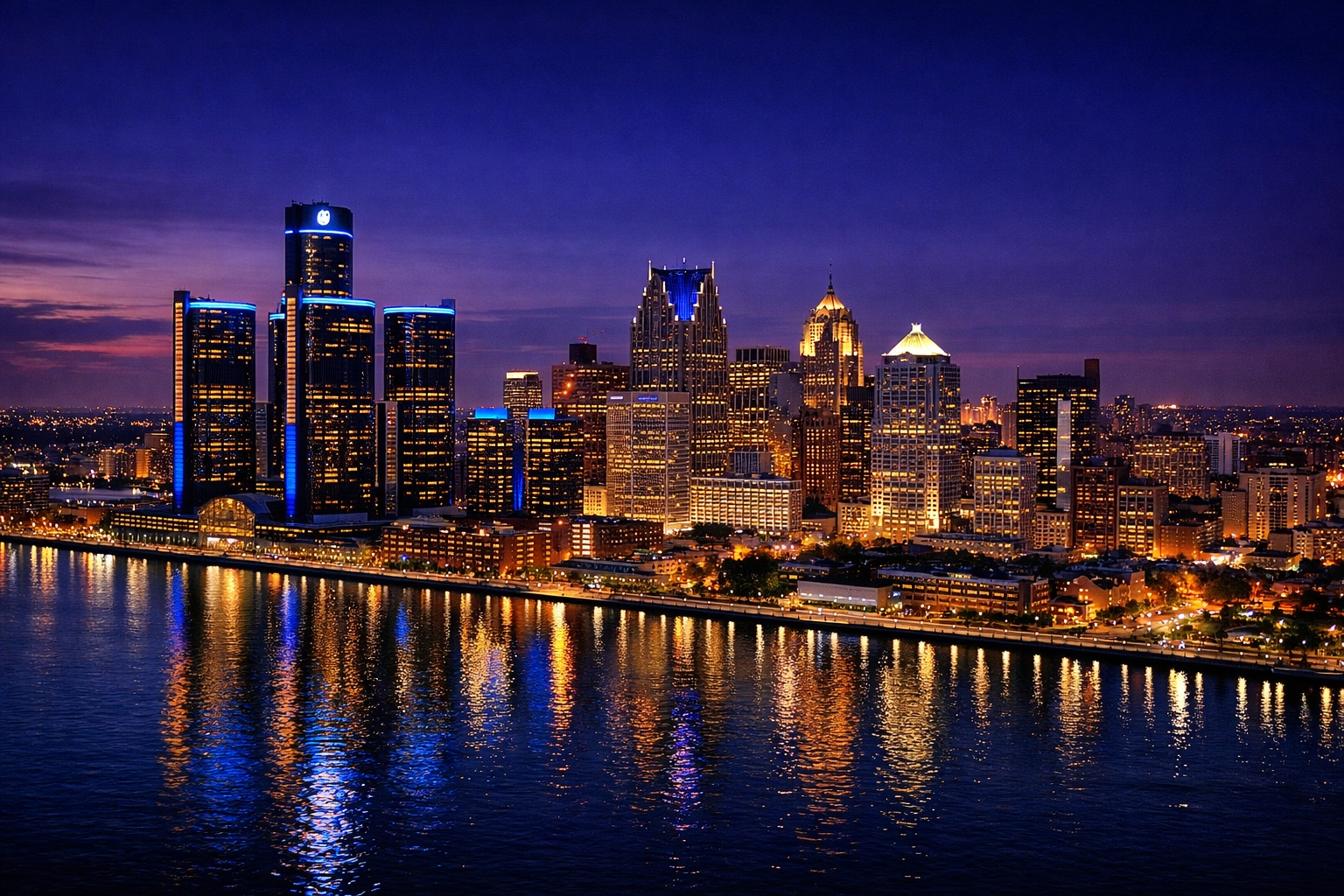
So, you’re thinking about moving to Detroit. Welcome to the club.
I’ve lived here long enough to know that this city never fits neatly into the boxes people try to put it in. It’s not just a "comeback story," and it’s definitely not the post-apocalyptic wasteland you see in old movies. It’s a bold, layered city full of stories that don’t always show up in the data tables.
At Make Detroit Home, we get asked the same questions every day: Is it safe? Where should I buy? Why is my car insurance so high? This is the no-BS guide to what you actually need to know before you pack the U-Haul and head to the 313.
The Vibe Check: City vs. Metro
Before we talk about detroit real estate, we have to talk about geography. When people say "Detroit," they usually mean one of two things: the city itself or the massive metro area.
As of mid-2025, the city’s population sits just under 640,000. However, the metro area stretches past 4 million people. This is a crucial distinction. Living in the city limits feels very different from living in the "burbs." The city is a collection of distinct neighborhoods, each with its own energy, while the metro area includes everything from the polished streets of Grosse Pointe to the suburban sprawl of Royal Oak.
Detroit is a city where the "Block-by-Block" rule is king. You can have a million-dollar historic mansion on one street and a house that needs a total gut-job on the next. That’s not a bug; it’s a feature of a city that is constantly evolving.
Detroit Neighborhoods Guide: Where to Plant Roots
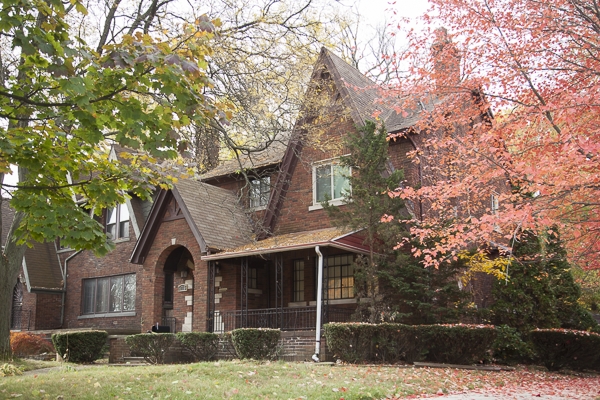
Every Detroiter has strong opinions about their neighborhood. The architecture here is world-class, we’re talking brick colonials, sleek riverfront condos, and those iconic single-family homes with deep porches.
The Historic Heavyweights
If you want prestige and history, look at the University District or Palmer Woods. These areas feature grand revivals and Tudor-style homes that would cost $2 million in any other major city. Here, you might find them for a fraction of that, though they still represent the higher end of the market, often listing above $400,000.
The "Sweet Spot" Neighborhoods
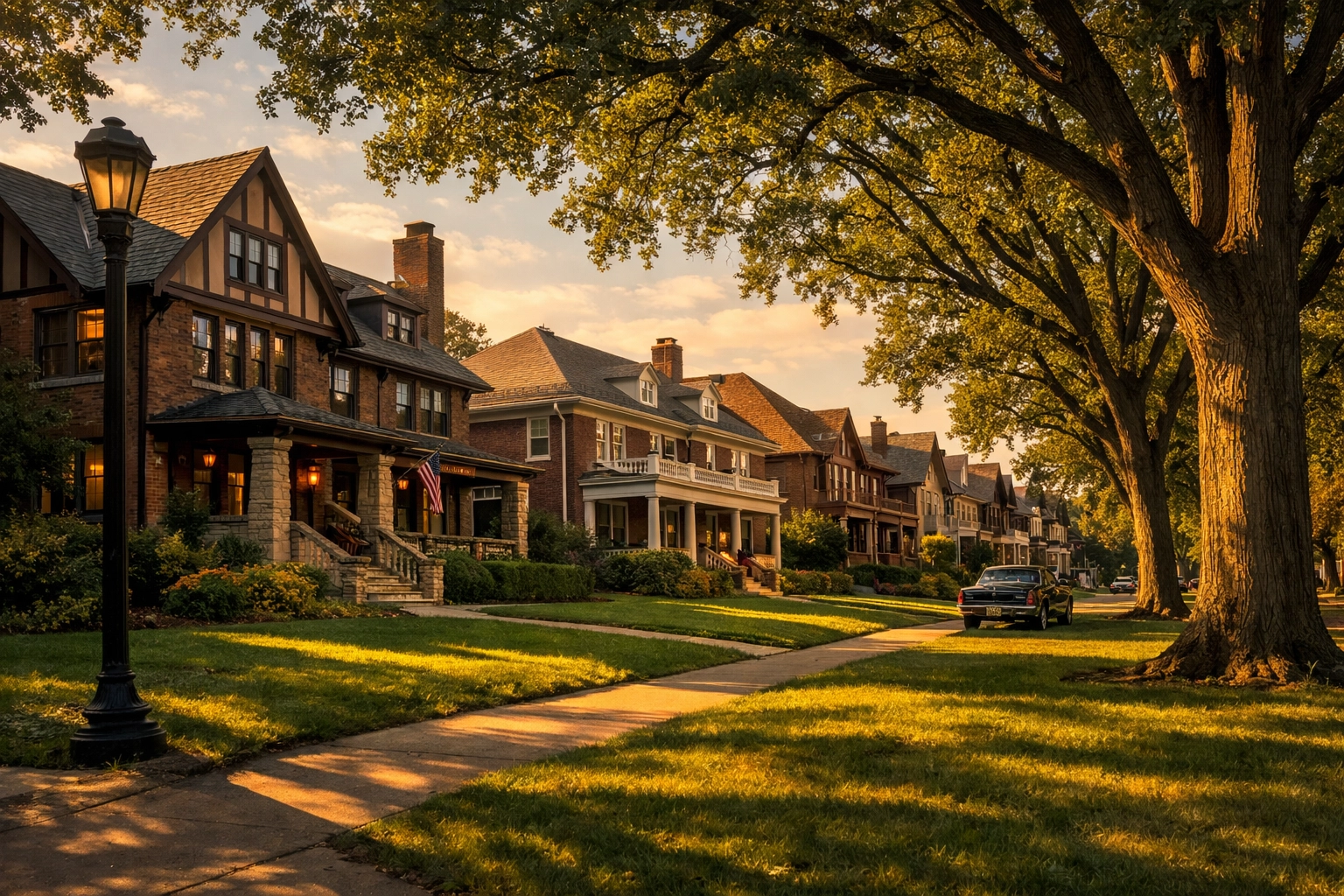
I live near the Bagley neighborhood, and I love it. You can walk to bakeries that have been family-run for decades, and there’s a real sense of community. Bagley and the neighboring Fitzgerald area are seeing tons of investment, with renovated bungalows and brick homes that are perfect for first-time buyers.
The Renovation Route (The Land Bank)
If you’ve got a toolbelt and a dream, you’ve probably heard of the Detroit Land Bank Authority (DLBA). They list thousands of properties, some starting as low as $1,000. But here is the real talk: those "cheap" houses often need $100k+ in work. The Land Bank requires proof of repair plans and has strict timelines to bring the property up to code. It’s a great way to build equity, but it’s not for the faint of heart.
Getting Around: Is Detroit a "Driver’s City"?
Short answer: Yes. Long answer: It’s getting better.
Detroit is the Motor City, so we built it for cars. Most people rely on a vehicle for their daily commute. However, we’ve made huge strides in other areas:
- The QLINE: This streetcar runs up Woodward Avenue between Downtown and New Center. It’s great for grabbing dinner or heading to a Tigers game.
- The Joe Louis Greenway: This is a game-changer. It’s a 27.5-mile path connecting neighborhoods and parks.
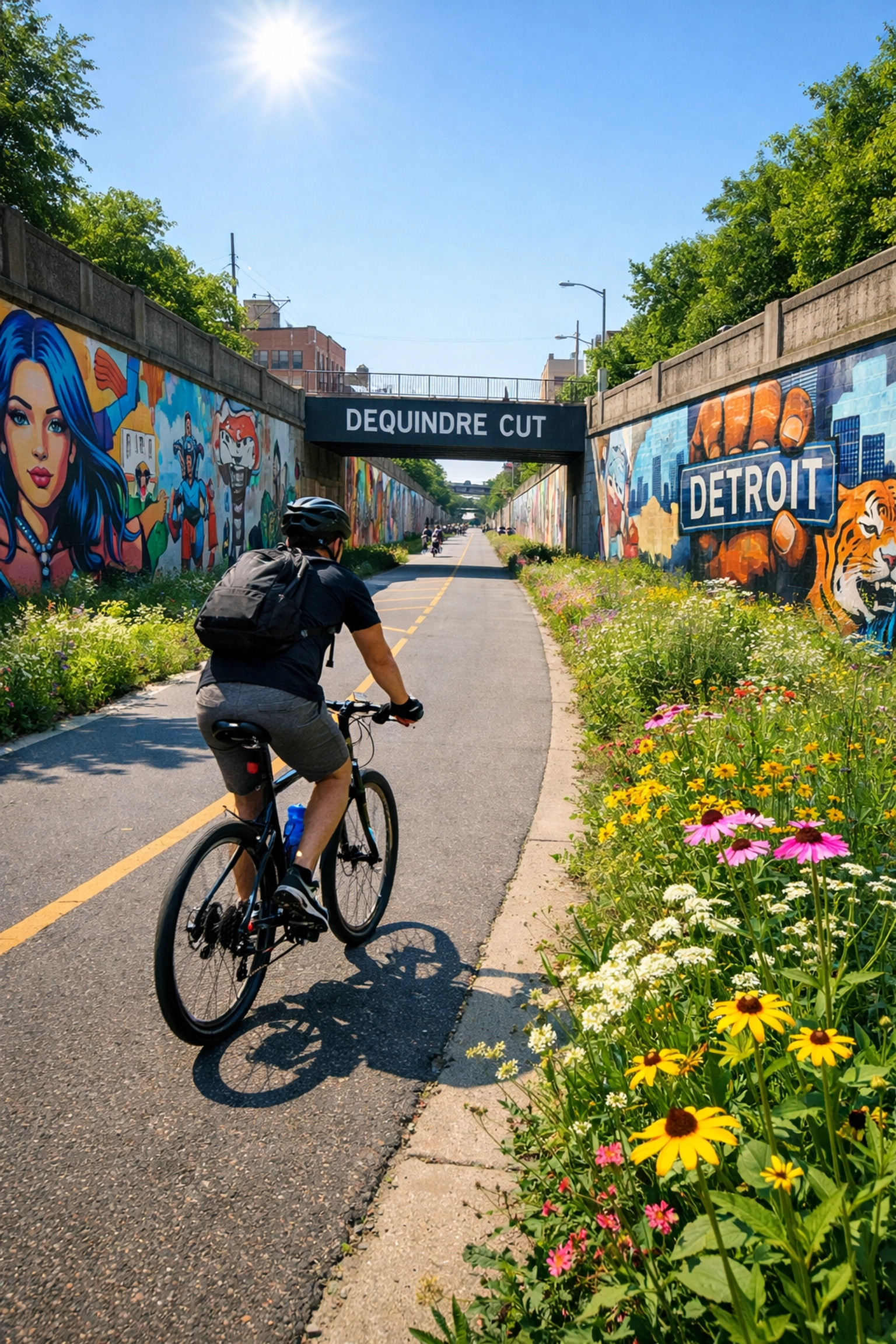
- The Dequindre Cut: A former rail line turned into a sunken greenway with street art and bike lanes. It’s one of my favorite places to clear my head on the weekend.
If you are moving to Detroit, bring your passport, too. We’re one of the only places in the U.S. where you can head south to get to Canada via the Windsor Tunnel or the Ambassador Bridge.
Jobs & The Local Economy
The days of Detroit being only a car town are over. While GM and Ford are still the anchors, the economy has diversified like crazy.
- Healthcare & Education: Henry Ford Health and Wayne State University are massive employers.
- Tech & Startups: Hubs like TechTown are exploding with creative firms and logistics companies.
- Networking: Detroit rewards "the hustle." Most of the best opportunities here come through neighborhood meetups or small business corridors. It’s a "who you know" city in the best way possible.
The "Real Talk" on Costs
Let’s look at the numbers. Overall, the cost of living in Detroit is about 15% lower than the national average. You can find a solid home in the mid-$90,000s (though that varies wildly by neighborhood). But there are two things that catch newcomers off guard:
1. Auto Insurance
Michigan’s no-fault insurance policy means our rates are some of the highest in the country. Budget for this before you move. It’s the "Detroit tax" we all pay for the privilege of living here.
2. The Property Tax "Uncapping"
When you are buying a house in Detroit, the property taxes "uncap." This means the taxes will likely be reassessed based on your purchase price rather than what the previous owner was paying. Don’t look at the seller’s current tax bill, use the city assessor’s online portal to estimate what your bill will actually be.
Research Tools You Actually Need
Don’t rely on Zillow for everything. If you want to be a smart buyer, use these:
- Detroit Parcel Viewer: This shows you who owns what, the zoning of the lot, and recent permit activity.
- BSEED: The Buildings, Safety Engineering, and Environmental Department. If you’re planning a remodel, this is where you’ll live. Check permit requirements before you swing a hammer.
- Open Data Portal: You can find everything here from city trash schedules to demolition maps.
The Safety Question: A Data-Driven Approach
Safety is a concern in any city, but Detroit often gets an unfair rap because people rely on hearsay from 1994.
My advice? Look at the data. The Detroit Police Department publishes a daily crime dashboard. You can see exactly what’s happening in any precinct. When you look at these maps, look for trends, not just single incidents. You’ll find that most neighborhoods are quiet, residential pockets where people look out for one another.
FAQ: Your Detroit Quick-Start Guide
What’s the weather really like?
We have all four seasons. January is freezing (highs of 32°F), and July is humid (mid-80s). But fall in Detroit is elite, there’s nothing better than the air in October.
Is Downtown Detroit safe to walk around?
Yes. Use the same common sense you’d use in any city. Downtown and Midtown are well-lit and constantly bustling with events and people.
How’s the rental market?
Rents are steady. You’re looking at about $1,100 for a one-bedroom downtown and maybe $850 to $950 in the outer neighborhoods. Just make sure your landlord is registered with the city’s rental registry.
Are there waterfront neighborhoods?
Absolutely. Look east of downtown for riverfront condos and apartments. You get views of the Detroit River, Belle Isle, and Canada.
How do I get involved?
Detroiters love to organize. Join a block club or attend a district council meeting. This is a city where one person can actually make a difference.
Ready to Make Detroit Home?
Detroit isn't for everyone: it's for people who want to be part of something real. It’s for people who value community over "cookie-cutter" and grit over "glossy."
If you’re ready to start your search, we’re here to help you navigate the blocks, the taxes, and the hidden gems. Detroit is waiting for you. Let's find your place in it.
Categories
- All Blogs (48)
- Community (18)
- Construction (4)
- Detroit (37)
- Don't do this! (3)
- Downpayment Assistance (7)
- Financing (8)
- First Time Home Buyer (17)
- Fun Fact (22)
- History (12)
- Home Maintenance (12)
- Idea's! (7)
- Money (3)
- Moving (11)
- Nerd (11)
- Pontiac (4)
- Real Estate (7)
- Renovations (3)
- Selling (3)
- Taxes (1)
- Title (1)
- Upgrades (3)
- You Should Know (14)
Recent Posts