Asbestos Siding in Detroit: To Remove, or Not to Remove?
Asbestos Siding in Detroit: To Remove, or Not to Remove?
![[HERO] Asbestos Siding in Detroit: To Remove, or Not to Remove?](https://cdn.marblism.com/pSMhPbXiSXT.webp)
Hey guys! I’m Lauren Yellen, a building professional and the owner of Make Detroit Home and Make Detroit Home Properties. Before we dive into the dusty (but hopefully damp!) world of siding, I have to address the elephant in the room. You might have heard of a program called "Make Detroit Home", and yes, they conveniently named it exactly like my company. 🙃 It’s a bit of a coincidence, but hey, if the city wants to borrow my brand’s vibe to help people stay in their houses, I’m not going to complain too much!
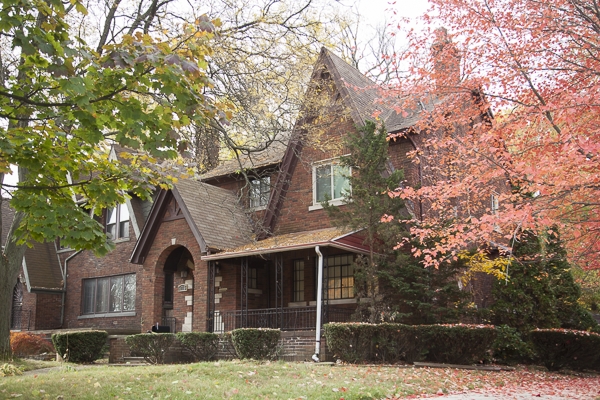
If you are currently in the middle of a Detroit house renovation, or you’re thinking about buying a house in Detroit, you’ve probably run into the "A-word": Asbestos. Specifically, those rigid, shingle-like siding tiles that cover so many of our beautiful older homes.
People hear "asbestos" and they immediately think of biohazard suits, radioactive zones, and a price tag that involves selling a kidney. But as someone who deals with historic homes in Detroit every single day, I’m here to tell you: it’s not that deep. You have options, and some of them won't cost you a "bajillion" dollars.
The Reality of Asbestos Siding
First off, let’s clear the air (pun intended). Asbestos siding isn't inherently dangerous as it sits on your house. It’s actually a fantastic insulator and fire retardant, which is why it was used on a huge chunk of Detroit’s housing stock from the 1920s through the 1970s. The danger only kicks in when you start breaking it, sanding it, or sawing it, basically, when you turn it into dust that you can breathe in.
When you’re looking at buying a house in Detroit, don't let those slate-looking tiles scare you off. They’ve protected these houses for nearly a century. But eventually, you might want a fresh look, or you might need to address some cracked pieces.

Option 1: The "Lazy" (and Totally Fine) Way: Encapsulation
In regard to asbestos siding, most people don’t actually remove it. If you’re planning on updating your home with modern vinyl siding, you don't necessarily have to strip the house down to the studs.
The standard move is to "encapsulate" it. This involves:
- Keeping the existing asbestos siding right where it is.
- Wrapping the entire home in Tyvek house wrap.
- Installing your new vinyl siding directly over the top.
This is a totally valid method for a standard stick-frame house. It keeps the asbestos contained, adds an extra layer of insulation, and saves you the massive headache of disposal. It’s the path of least resistance, and in the world of Detroit house renovation, sometimes the path of least resistance is the one that keeps your project on budget and your sanity intact.
Option 2: The "I Want It Gone" Way (The DIY Route)
Now, let’s say you’re like me and you really want it removed. Maybe you want to restore the original wood underneath, or you’re doing a major structural overhaul.
Here is the cold, hard truth: Any company that hears the word "asbestos" is going to upcharge you a bajillion dollars. It’s the ultimate "contractor tax." If you hire a full-scale abatement crew, they have to bring in specialized equipment, air scrubbers, and a lot of red tape.
If you want the best $ case scenario, and you truly want it removed, your best bet is often to do it yourself.
How to DIY Asbestos Removal (Safely!)
"How do you do this yourself, Lauren?" I hear you asking. It’s actually simpler than you think, but you have to be disciplined. You need three main things:
- A good P100 air filter mask (not a cheap paper mask, get the real deal).
- A Tyvek suit (to keep the fibers off your clothes).
- A handy, dandy garden hose.
The absolute golden rule of asbestos is: Keep it wet.
The idea is to kick as few particles into the air as possible. By wetting down your work surface, you are essentially trapping the particles in the water instead of letting them flow freely in the air.

Step-by-Step Removal
- Soak it: Before you even touch a tool, spray the siding down. Not a light mist, soak it.
- Be Gentle: Not breaking the tiles is your best bet. This means soaking as much water into the tile as you can and removing the nails carefully. If you pull the nails right, the boards won't break on you.
- Bag it: Once the tiles are off, put them directly into heavy-duty trash bags while they are still wet.
The city of Detroit does take these now, which is a huge win for local renovators! I really like "demo bags", the woven cloth ones (also Tyvek brand, lol). They are great for big, heavy stuff like this because they won’t tear and dump your work all over the driveway.
Pro-tip: If I can spray the bags down with water one last time before the garbage people come, I do try and do that for them. It’s just good karma to keep those workers safe, too.
Beyond the Siding: Plaster and Tiles
This "keep it wet" advice isn't just for siding. If you’re working on historic homes in Detroit, you’re going to find asbestos in other places too.
- Plaster Walls: Often contains trace amounts of asbestos. If you’re tearing down a wall, keep a spray bottle or a pump sprayer handy.
- 9x9 Floor Tiles: If you go into a Detroit basement and see those small, square tiles, there’s a 99% chance they are asbestos. Again, don't sand them! If they are coming up, keep them damp.
- Boiler Pipes: That white, chalky wrapping on old basement pipes is the "spicy" kind of asbestos. That’s the one area where I really suggest being extra careful or calling in help, but if you must touch it, the water rule still applies.

What Would I Do?
If it were me? It depends on the house's look.
If you are going over a whole stick-frame house with vinyl siding, the Tyvek-to-vinyl method works perfectly fine. It’s cost-effective and safe.
However, if you’re working on a historic brick home (which is my normal jam) and it has some random asbestos tile additions or accents: like on a dormer or a back porch: I would probably remove them. I’d strip it back and replace it with something that makes sense for the period, like wood shingles or wood boards. Restoration is all about bringing back that original character that makes buying a house in Detroit so special in the first place.

You Got This!
Renovating in the city can feel overwhelming, especially when you start hitting environmental "scary" words. But whether you’re dealing with lead paint or asbestos siding, the key is just having the right information and the right gear.
You don't need a bajillion dollars to make your home safe and beautiful. You just need a P100 mask, a hose, and a little bit of patience.
You got this! And if you don’t? If you’re looking at a project and feeling like you’re in over your head, call me. I’m always here to help you navigate the world of Detroit real estate and renovation. I can help get you connected with affordable, reliable people who know exactly how to handle these old houses without charging you a "scary word" premium.
Let’s get out there and Make Detroit Home!

Categories
- All Blogs (49)
- Community (19)
- Construction (4)
- Detroit (38)
- Don't do this! (3)
- Downpayment Assistance (7)
- Financing (8)
- First Time Home Buyer (17)
- Fun Fact (22)
- History (12)
- Home Maintenance (12)
- Idea's! (8)
- Money (3)
- Moving (11)
- Nerd (11)
- Pontiac (4)
- Real Estate (8)
- Renovations (4)
- Selling (3)
- Taxes (1)
- Title (1)
- Upgrades (4)
- You Should Know (15)
Recent Posts