Make Detroit Home: The No-BS Guide to Buying in the City
![[HERO] Make Detroit Home: The No-BS Guide to Buying in the City](https://cdn.marblism.com/1H3_Wm8iwyV.webp)
There’s a massive difference between buying a house and actually making a place feel like home.
If you’ve spent any time on Instagram lately, you’ve seen the "aesthetic" home. You know the one: white walls, gold hardware, open shelving, and light fixtures that look like they cost more than your car. It looks great in a 4x4 square on your phone. But here’s the cold, hard truth: you don’t live in a photo. You live in a structure.
Detroit is one of the few cities where that difference actually matters. Because here, you aren’t just buying square footage. You’re stepping into history, infrastructure, and neighborhoods with more personality than most suburbs could dream of. You're buying homes that were built to last longer than anyone expected, and if you buy for the "vibe" instead of the "utility," you might find yourself with a beautiful kitchen and a flooded basement.
This is the guide to making Detroit home: not just theoretically, but in a real, grounded way.
Why People are Moving to Detroit (The Real Reason)
Detroit doesn’t sell itself the way other cities do. It’s not polished, and it’s certainly not predictable. If you’re looking for a gated community where every lawn is exactly 2.5 inches tall, you’re in the wrong place.
But that’s exactly why people are flocking here. What you get in Detroit is real.
- Real Architecture: We’re talking solid brick, hand-poured plaster, and framing that was done by craftsmen who took pride in every nail.
- Neighborhood Identity: These aren't copy-paste developments. Every street has a soul.
- Price Points with Opportunity: While prices are rising, Detroit still offers a path to homeownership that doesn’t require selling your soul to a thirty-year mortgage you can barely afford.
- Meaningful Impact: What you do with your home actually matters here. You’re part of a block, a community, and a comeback.
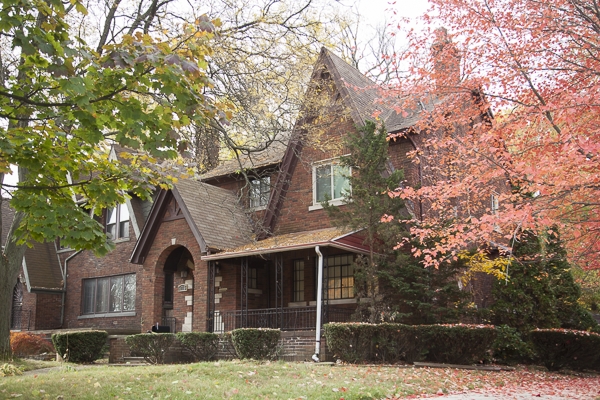
People move here because they want space to build something of their own. They want a connection to where they live. They want Historic Homes in Detroit that have character and, more importantly, keep it.
The Reality: 1910–1950 Builds
Let’s be honest for a second. Buying in Detroit is not the same as buying in the suburbs. If you understand that upfront, you win.
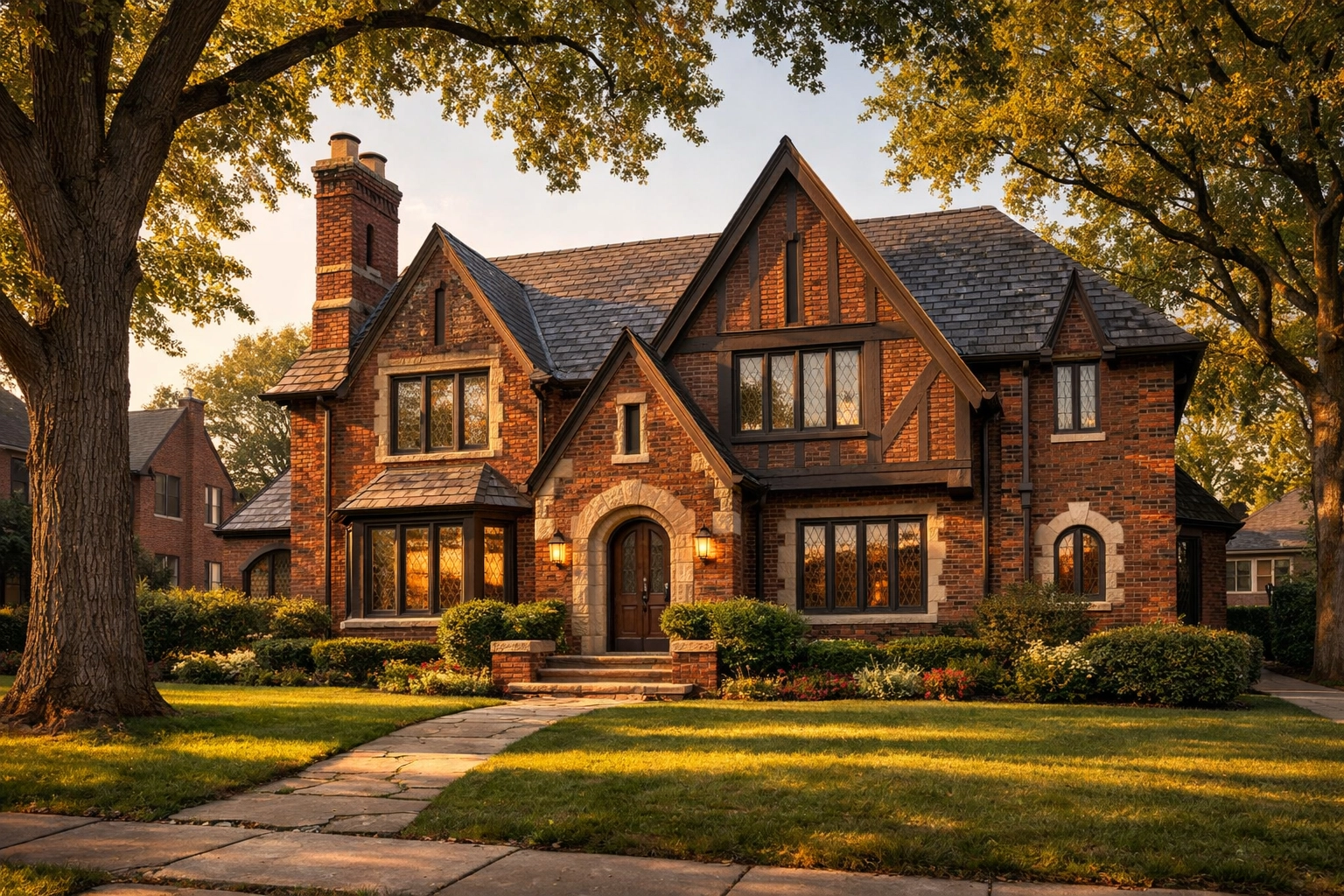
Most Detroit homes were built between 1910 and 1950. That’s a century of history living in your walls. That means you’re getting plaster walls instead of cheap drywall. You’re getting original hardwood floors that have seen generations of life. You're also getting older plumbing systems: some original, some updated, and some that are held together by hope and a few rolls of duct tape.
In Detroit, the basement matters more than you think. It’s not just a place to store your holiday decorations; it’s the heartbeat of the house. A house might look perfect at first glance: freshly painted, new cabinets, trendy tile: and still have a 100-year-old sewer line ready to quit the moment you move in.
This isn’t a bad thing. It just means you need to buy differently. You have to value utility over appearance.
The 'Non-Negotiables': Forget the Granite Countertops
I love a good waterfall island as much as the next person, but when you're buying a house in Detroit, you need to look past the surface. If you’re deciding between a house with a brand-new kitchen and a house with a brand-new roof and a dry basement, pick the latter every single time. You can paint a cabinet. You can’t easily un-flood a basement.
Here is what actually matters:
1. The Sewer Line
If you don’t scope it, you’re guessing. And guessing underground is expensive. Clay pipes and tree roots are a classic Detroit duo. A $200 inspection can save you $10,000 in excavation costs.
2. Foundation and Structure
Cracks aren’t always a dealbreaker: older homes settle. But patterns matter. Understanding why something moved is more important than the fact that it did. You want a foundation that is doing its job: keeping the house up and the water out.
3. Roof and Water Management
Water is the enemy. It is the one thing that will slowly win over time if you let it. Good drainage, solid flashing, and a roof that doesn't leak are far more valuable than any cosmetic finish.
4. Electrical and Plumbing
You want to know what’s been updated, what hasn’t, and how it all ties together. If the house still has knob-and-tube wiring hidden behind that beautiful plaster, you need to know before you sign.

Choosing the Right Neighborhood
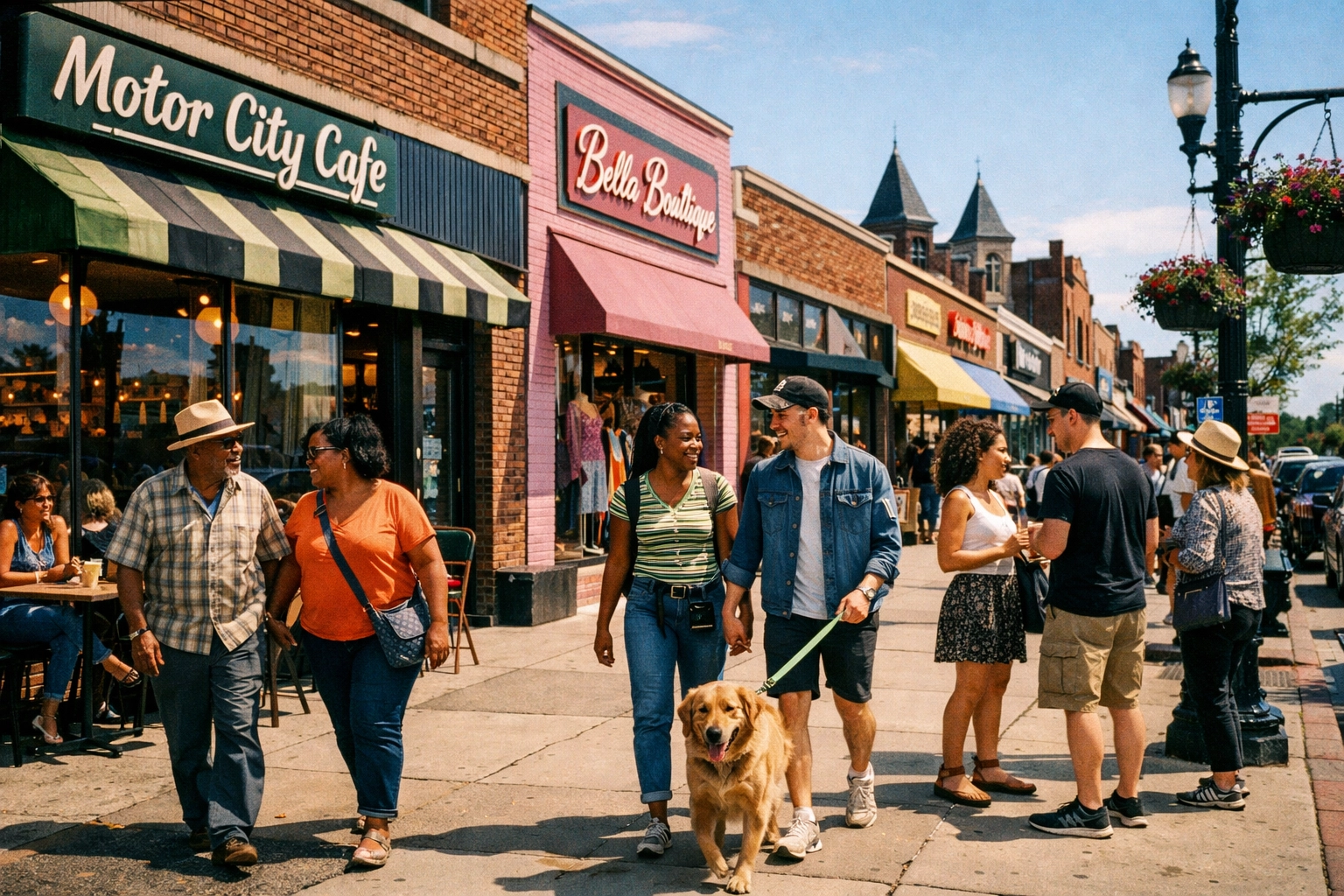
Detroit is a city of micro-communities. Two streets over can feel completely different, and that’s not an exaggeration. When you're looking at best neighborhoods in Detroit, look for the energy that matches your lifestyle.
- University District: Historic, walkable, and has a neighborhood identity that is incredibly strong. These are the "forever homes."
- Bagley: Solid housing stock and very community-driven. It’s the kind of place where neighbors actually know each other's names.
- Livernois Corridor: If you want growth, energy, and walkability to local businesses, this is it. It’s the "Avenue of Fashion" for a reason.
- Palmer Park Area: A perfect mix of incredible architecture and proximity to green space.
The key is not just "what’s popular." It’s what fits how you want to live.
The Money: Taxes, Insurance, and Reality
This is where Detroit real estate gets interesting. You can still find entry-level homes under $150K that need some love. You can find solid, move-in-ready homes in the $180K–$300K range. And of course, there are the historic showpieces that go well above that.
But price alone doesn’t tell the story. You have to factor in:
- Property Taxes: They vary more than people expect. Always check the taxable value, not just what the current owner is paying.
- Insurance: Older homes have different risks. Your premiums might be different than they would be for a new build in the burbs.
- Utility Costs: Heating a 1920s brick home with original windows is a different financial beast than heating a modern apartment.
Programs to Help You Out
There are real programs available to help buyers. If you’re a first-time buyer or looking in specific areas, look into Down Payment Assistance (DPA) programs and the HOPE (Homeowners Property Exemption) program. Some grants offer up to $25,000. These can be the difference between "maybe one day" and "closing day."
The Buying Process (The Detroit Version)
The process here is a bit of a marathon, not a sprint.
- Get Pre-Approved: Don’t even look at a front door without this.
- Neighborhood Deep-Dive: Drive the streets at night. Walk them during the day.
- Tour for Utility: Look at the furnace. Look at the corners of the basement. Ignore the staging furniture.
- The Inspection Phase: This is where you learn the truth of the house. It is the most important step in the entire process.
- Negotiate Based on Reality: Use the inspection to ensure you aren't overpaying for a house that needs $50k in "invisible" repairs.

What It Means to "Make Detroit Home"
Ultimately, moving to Detroit and making it home isn’t about finding a flawless house. It’s about understanding what you’re stepping into and making thoughtful decisions. It’s about respecting the structure and the history while building something meaningful for your future.
The people who do best here aren’t the ones looking for a turnkey Pinterest board. They’re the ones who see the potential in the plaster, the value in a solid sewer line, and the beauty in a neighborhood that has stood the test of time.
If you’re starting to explore or even just curious about what a detroit house renovation might look like, or where you fit in this city: reach out. My role isn’t just to open doors; it’s to help you avoid expensive surprises and feel confident in your decision.
The goal isn't just to close on a house. It's to help you make Detroit home in a way that actually lasts.
Categories
- All Blogs (49)
- Community (19)
- Construction (4)
- Detroit (38)
- Don't do this! (3)
- Downpayment Assistance (7)
- Financing (8)
- First Time Home Buyer (17)
- Fun Fact (22)
- History (12)
- Home Maintenance (12)
- Idea's! (8)
- Money (3)
- Moving (11)
- Nerd (11)
- Pontiac (4)
- Real Estate (8)
- Renovations (4)
- Selling (3)
- Taxes (1)
- Title (1)
- Upgrades (4)
- You Should Know (15)
Recent Posts