Don't Get Stuck: How to Pick the Right Agent for Detroit
![[HERO] Don't Get Stuck: How to Pick the Right Agent for Detroit](https://cdn.marblism.com/myjaYyZdd0m.webp)
So, you’ve decided to buy a house in Detroit. First of all, high five. You’re joining a city with more soul, better architecture, and arguably better food than anywhere else in the Midwest. But here’s the reality check: buying a home here is not like buying a cookie-cutter condo in the suburbs. Detroit is a beautiful, complex, sometimes frustrating puzzle.
If you hire an agent who mostly sells in "Metro Detroit" but hasn't stepped foot in a basement in the North End in three years, you’re going to have a bad time. You don’t just need someone with a license and a fancy SUV. You need a specialist. You need a Detroit-obsessed advocate who knows their way around a 1920s boiler and a tax bill.
Here is the "No-BS" guide to picking the right agent for the D.
1. Do They Actually Know Detroit? (Like, Really Know It?)
There’s a big difference between an agent who says they work "the Detroit area" and an agent who understands the block-by-block nuances of our neighborhoods. In Detroit, one street can be a meticulously preserved historic district, and the very next street might be an area where the Land Bank is doing heavy lifting.
You want an agent with a deep history in the city. Ask them:
- "How many homes have you closed within the city limits in the last 12 months?"
- "Can you explain the difference between Bagely and University District without looking at a map?"
- "What’s your favorite Coney Island?" (Okay, that one is just for vibes, but it matters).
A real Detroit agent knows which neighborhoods are eligible for specific grants, which ones have active block clubs, and which ones have the best trick-or-treating (essential data). If they spend most of their time in the suburbs, they might get spooked by things that are totally normal in the city, or worse, they’ll miss the "red flags" that actually matter.

2. The "House Whisperer": Knowledge of Systems and Structure
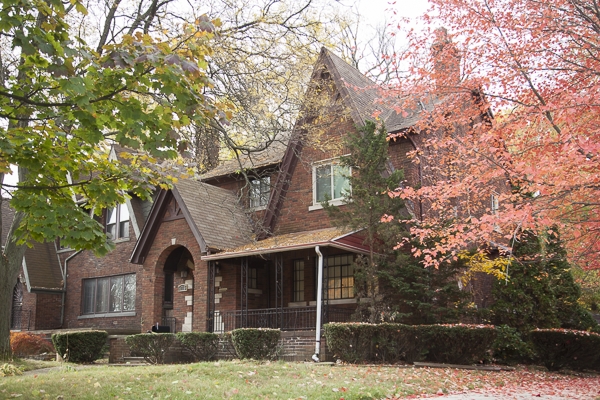
Most Detroit homes are old. We’re talking "built-before-the-Great-Depression" old. They have character for days, lead glass windows, original oak floors, and crown molding that would cost a fortune today. But they also have quirks.
Your agent shouldn't just stand in the kitchen and talk about how "cute" the backsplash is. They should be down in the basement with a flashlight looking at the foundation. You need an agent with an "inspection-first" mindset.
A great Detroit agent should be able to spot:
- Knob and Tube Wiring: Is the house going to be a nightmare to insure?
- Galvanized vs. Copper Plumbing: Is your water pressure going to be a whisper?
- The Age of the Roof: Are you going to be shelling out $15k in two years?
- Boiler Health: If the house has radiators, does the agent know how to tell if the system has been maintained or if it’s a giant, iron paperweight?
They shouldn't replace a professional inspector, but they should be your first line of defense. If they can’t tell the difference between a minor settling crack and a "the-house-is-sliding-into-the-earth" crack, keep looking.
3. The "Tax Whisperer": Understanding the Math
This is where most people get tripped up. Detroit property taxes are... unique. If your agent tells you, "Oh, the taxes are currently $1,200 a year, so your payment will be cheap," run away.
In Michigan, property taxes "uncap" when a home is sold. That means the previous owner might have been paying a low rate because they lived there for 30 years, but your bill is going to be based on the new sales price. If your agent doesn't understand this, your monthly mortgage payment could jump by $300 or $400 a year after you move in. That’s a nasty surprise nobody wants.
Furthermore, a pro knows about the NEZ (Neighborhood Enterprise Zone). If the house you’re buying has an NEZ-Homestead certificate, your property taxes could be significantly lower for a set number of years. A good agent will check the NEZ map before you even pull into the driveway. They’ll also know how to look up the "Summer" and "Winter" taxes to give you an accurate picture of what you’ll actually be paying.

4. Education Over Ego
The right agent is a teacher, not a salesperson. Buying a home is likely the biggest financial decision of your life. You shouldn't feel pressured to "just sign the paper."
A great agent will take the time to educate you on the process. They’ll explain what an "appraisal gap" is, why a "clean" offer isn't just about the price, and how the Detroit Land Bank Authority operates if you're looking at a fixer-upper.
If you ask a question and they give you a vague, "Don't worry about that, I've got it handled," that’s a red flag. You want to be empowered to make the decision, not dragged along for the ride.
5. A Bulldog Advocate (The "Strong Advocate" Factor)
The Detroit market is competitive. We’re seeing multiple offers on good houses in West Village, Sherwood Forest, and Grandmont Rosedale. In this environment, you don’t want a "passive" agent. You want a bulldog.
Being a strong advocate means:
- Aggressive Communication: They are calling the listing agent to find out exactly what the sellers want before you even write the offer.
- Problem Solving: If the appraisal comes in low (a common occurrence in Detroit because of the "comps" issue), your agent should be ready to fight it with data or negotiate a price drop.
- Protecting Your Earnest Money: They should be hawks when it comes to contract dates and contingencies.
An advocate doesn't just want the deal to close so they get a check; they want the deal to be good for you. If they tell you to walk away from a house because the foundation is shot, even though it means they lose a commission, you’ve found a winner.

6. A Deep History in the D
There is a rhythm to Detroit real estate that you only learn by being in the trenches for years. It’s about knowing which title companies understand Detroit’s specific quirks, which lenders actually offer the "Detroit Homebuyer Downpayment Assistance" grants, and which contractors won't ghost you after one week.
An agent with history in the city has a network. They know the other agents. In a city like Detroit, your agent’s reputation matters. When a listing agent sees a name they trust on an offer, it moves to the top of the pile. They know that agent is going to be professional, the financing will be solid, and the deal won't fall apart because of a misunderstanding about a water bill.
The "Vibe Check"
At the end of the day, you’re going to be spending a lot of time with this person. You’ll be texting them at 9 PM on a Tuesday about a house that just hit the market. You’ll be sitting in their car or meeting them at vacant lots.
Pick someone who "gets" you. If you want a fixer-upper with historic charm, don't hire an agent who keeps trying to push you toward a new construction in the suburbs. If you’re a first-time buyer who is terrified of debt, pick an agent who is patient and data-driven.
Summary Checklist for Your Next Agent Interview:
- Do they live or work primarily in the city? (Zip codes 482-- should be their second language).
- Can they explain how "uncapping" works for Detroit taxes?
- Do they know what a "wet wall" is or how to spot asbestos tile?
- Are they active in the community, or just selling houses in it?
- Do they have a list of Detroit-specific resources (lenders, inspectors, contractors)?
If they pass the test, you’re in good hands. Detroit is a city of neighborhoods, and each one has a story. Make sure your agent knows the story: and knows how to make you a part of it.
At Make Detroit Home, this isn't just a job for us; it’s our life. We’re here to make sure you don't just find a house, but that you find your place here without any of the expensive surprises.
Ready to start hunting? Let’s get to work.
Categories
- All Blogs (46)
- Community (17)
- Construction (3)
- Detroit (36)
- Don't do this! (3)
- Downpayment Assistance (7)
- Financing (8)
- First Time Home Buyer (16)
- Fun Fact (22)
- History (12)
- Home Maintenance (11)
- Idea's! (7)
- Money (3)
- Moving (11)
- Nerd (11)
- Pontiac (4)
- Real Estate (7)
- Renovations (2)
- Selling (3)
- Taxes (1)
- Title (1)
- Upgrades (2)
- You Should Know (14)
Recent Posts