Why I Bought My First Detroit Home: Real Stories From Our Buyers

There is a moment in almost every home search when the practical questions get quiet.
For a few seconds, you stop thinking about interest rates, inspection reports, property taxes, and repair budgets. You stop comparing bedrooms and square footage. Instead, you look around and think:
I could see myself here.
That feeling means something: especially in Detroit, where many homes come with history, character, and a few surprises waiting behind the walls. Buying your first home can feel intimidating, but it can also be deeply personal and joyful.
The stories below are lightly illustrative composites inspired by the experiences many Detroit buyers share. Names and specific details have been changed because the best part of every home story is the feeling: not the paperwork.
The Couple Who Fell for a Tudor in University District
When Maya and Jordan began looking for their first home, they had a short list of requirements: enough space for a home office, a yard for their dog, and a neighborhood where they could picture building a life.
They also had a long list of worries.
Would they qualify? Would the taxes be higher than expected? What would the inspection uncover? And could they really handle an older home?
Their first few showings were educational but unremarkable. The houses were fine. The kitchens were updated. The rooms had potential. But nothing felt like theirs.
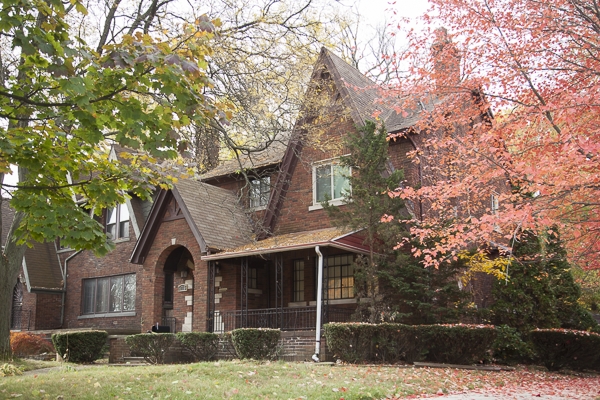
Then they walked into a brick Tudor in University District.
The first thing they noticed was the light. The second was the staircase, with its original railing and beautiful wood detail. The third was the living room fireplace, which had clearly hosted decades of holidays, conversations, and quiet evenings.
Jordan later described the moment as “a weird combination of excitement and panic.”
That sounds about right.
They loved the home immediately, but they also knew they needed to be thoughtful. The inspection helped them understand the roof, mechanical systems, windows, and other major components. They asked questions. They reviewed their expected monthly costs. They learned that older homes often require planning, not perfection.
The house did have a few projects. The windows needed attention. One room needed fresh paint. The kitchen was charming but not exactly designed for their favorite recipes.
Still, they could see the future there.
They pictured weekend coffee by the window, their dog racing through the backyard, and friends gathering around the dining room table. They pictured taking care of the home while adding a few updates of their own.
When they received the keys, they celebrated with takeout on the living room floor.
It was not fancy. It was better than fancy.
It was their first home.
The Single Buyer Who Found a Brick Colonial in East English Village
Alex had not expected to buy a house alone.
For years, homeownership felt like something that would happen later: after a promotion, after marriage, after saving more money, after becoming the kind of person who knew what a sewer scope was.
Then Alex started touring homes in East English Village and realized that “later” did not have to mean “someday.”
The search was not without nerves. Alex was especially concerned about taking on repairs without a second person to split the work: or the decision-making: with. Every older house seemed to raise another question.
What was behind the basement wall? How old was the furnace? Had the roof been replaced? What would happen to the property taxes after the sale?
Those are good questions. In Detroit, buyers should look carefully at a home’s current tax bill and ask how the tax amount may change after purchase. It is also smart to discuss the numbers with a lender, real estate professional, and title company before making an offer. The City of Detroit’s down payment assistance information is another useful place to explore if you may qualify for help with upfront costs: Detroit’s Down Payment Assistance Program.
Alex’s turning point came in a brick colonial with a wide front porch and a small sunroom overlooking the backyard.
The home was not staged like a magazine. There were a few scuffed floors and a closet that needed attention. But the house had something that newer construction could not replicate: a sense of welcome.
The original wood trim was still in place. The front room had tall windows. The porch seemed designed for summer evenings and conversations with neighbors.
Alex stood in the dining room and imagined hosting friends for dinner. Not someday. Soon.
The inspection revealed a few repairs, but nothing that made the dream disappear. Instead, the report gave Alex a clearer plan. Some work would happen right away. Some could wait. The house did not need to be perfect to become a home.
The first night after closing, Alex sat on the porch with a sparkling water, a pizza, and a list of projects.
The list was long.
The smile was longer.

The Family Who Moved to Detroit and Found Home in Bagley
For the Ramirez family, buying in Detroit meant starting over in the best possible way.
They were moving from out of state and wanted a home with room for their children, a neighborhood with personality, and a strong sense of community. They were drawn to Bagley because of its historic homes, tree-lined streets, and convenient location.
But moving across state lines made the process feel especially big.
They were learning Detroit’s housing landscape from a distance. They had questions about neighborhoods, inspections, taxes, insurance, and the reality of owning a brick home built many decades ago.
They also wondered if they would feel like outsiders.
The answer came during a Saturday showing.
The house was a classic Bagley brick home with a welcoming front porch and a floor plan that made sense for family life. The kids immediately claimed bedrooms. One parent fell in love with the breakfast nook. The other stood in the backyard imagining summer dinners outside.
Then a neighbor waved from across the street.
It was a small moment, but it mattered. The family could picture not only the house, but the life around it.
Their inspection helped them make an informed decision. They learned about the home’s older systems and made a plan for maintenance. They also spent time driving through the neighborhood at different times of day and exploring nearby streets before making an offer.
That extra work gave them confidence.
After closing, the family hosted a “new house, new city” dinner. The menu was simple: homemade chili, cornbread, and whatever snacks had survived the move.
The children made a blanket fort in the living room. The adults unpacked one box at a time.
By the end of the night, the house no longer felt like a property they had purchased from another state.
It felt like home.

The Investor Who Became an Owner in Indian Village
Chris started with an investment mindset.
The original plan was to find a historic Detroit property, renovate it thoughtfully, and build long-term value. Chris understood the appeal of Detroit’s older housing stock: strong architectural details, solid materials, and homes with stories worth preserving.
The plan changed during a walkthrough in Indian Village.
The house needed work. There was no hiding that. Some rooms needed updating. The kitchen had seen better days. A few systems required close attention, and the budget needed to be realistic.
But the bones were beautiful.
There were original windows with deep wood trim. A staircase with the kind of railing you do not find in a quick renovation. Molding that gave each room a sense of proportion. Hardwood floors that showed their age but still had plenty of life left in them.
Chris began thinking less about resale value and more about stewardship.
What would it look like to bring the house back while respecting what made it special? Which details should be repaired instead of replaced? How could the renovations make the home more comfortable without erasing its history?
That became the project.
The work took longer than expected, as old-home projects often do. There were budget adjustments, delayed materials, and more than one unexpected discovery. But every finished room brought the home closer to its next chapter.
Eventually, Chris moved in.
The investor had become the owner.
The house was no longer just a project or an asset. It was the place where Sunday mornings happened, where family came to visit, and where the original details could continue telling their story for another generation.

The Feeling Is Different for Everyone
A first home does not have to be the biggest home, the newest home, or the most finished home.
For one buyer, it may be a Tudor with a dramatic staircase. For another, it may be a brick colonial with a sunny porch. It may be the house that gives a growing family room to settle in: or the historic property that inspires someone to restore, preserve, and stay.
The common thread is that buyers are not just choosing walls and a roof. They are choosing a place to build routines, celebrate milestones, host friends, care for a garden, paint a room, and make memories.
Detroit makes that experience especially meaningful. Our neighborhoods are filled with homes that carry history, craftsmanship, and potential. They may require careful inspections and thoughtful planning, but they also offer something special: the chance to become part of a place with a story already in progress.
At Make Detroit Home, we believe the right home is about more than checking boxes. It is about finding that moment when you walk through the door and can finally imagine your life unfolding there.
If you are thinking about buying your first Detroit home, start with your questions. Learn about the neighborhood. Review the taxes. Get the inspection. Make a realistic plan for repairs.
And leave room for the unexpected feeling, too.
Because sometimes, somewhere between the original woodwork and the slightly crooked basement door, you find the place that makes you say:
This is the one.
Have your own Detroit home story? We would love to hear what made you fall in love with your home.
Categories
- All Blogs (48)
- Community (18)
- Construction (4)
- Detroit (37)
- Don't do this! (3)
- Downpayment Assistance (7)
- Financing (8)
- First Time Home Buyer (17)
- Fun Fact (22)
- History (12)
- Home Maintenance (12)
- Idea's! (7)
- Money (3)
- Moving (11)
- Nerd (11)
- Pontiac (4)
- Real Estate (7)
- Renovations (3)
- Selling (3)
- Taxes (1)
- Title (1)
- Upgrades (3)
- You Should Know (14)
Recent Posts