Lead Exposure Risks in Detroit's Historic Homes: What Buyers Should Know

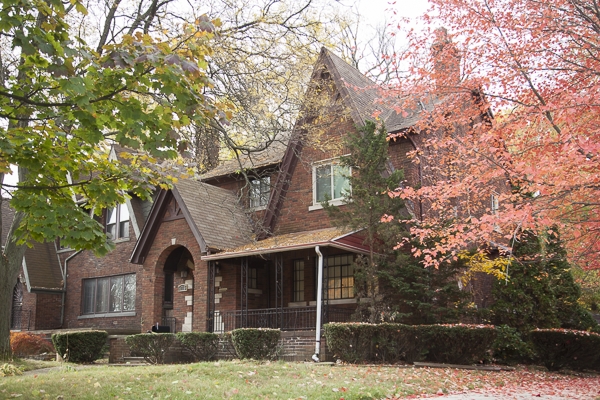
Detroit’s historic homes have a lot to offer: solid brick construction, generous rooms, original woodwork, and details that are difficult to find in newer homes. From pre-1950 Tudors and colonials in Sherwood Forest and the University District to historic homes in Indian Village, Palmer Park, East English Village, and Bagley, these properties help give Detroit its character.
They also require thoughtful maintenance.
Because many Detroit homes were built before 1978: and many were built before 1950: lead-based paint may be present. Lead paint is not automatically dangerous when it is intact and well maintained. The risk increases when paint peels, rubs, chips, or is disturbed during repairs.
The good news is that lead hazards can be identified and managed. Understanding the risks before you buy helps you plan responsibly and make a confident decision.
Why older Detroit homes may contain lead-based paint
Lead was commonly added to residential paint before the federal government banned the use of lead-based paint in most homes in 1978. The older the home, the more likely it is to contain lead somewhere beneath newer layers of paint.
This is especially important in Detroit, where much of the housing stock was built decades before 1978. A charming brick Tudor or colonial may have several generations of paint on its windows, doors, trim, porches, and siding.
Lead paint is usually a concern when it becomes deteriorated or creates dust. A home does not need to look severely neglected to have lead hazards. Repeated friction on an old window or a small area of peeling paint can create dust that settles on floors and other surfaces.
Children under six and pregnant people are especially vulnerable to the effects of lead exposure. However, lead-safe practices are important for everyone living in or working on an older home.
Common lead hazards in historic Detroit houses
Friction surfaces
Some of the highest-risk areas are surfaces that rub, slide, or repeatedly make contact. These may include:
- Window sashes, frames, and troughs
- Doors and doorframes
- Stair treads and railings
- Baseboards and painted floors
- Cabinets and built-in features
- Porches and painted exterior components
Opening an old painted window or door can grind layers of paint into fine dust. That dust may collect on window sills, floors, and nearby furniture.

Peeling, chipping, and deteriorating paint
Paint that is cracking, peeling, blistering, or flaking can create chips and dust. Water leaks, roof problems, high humidity, and poor ventilation can all make deterioration worse.
It is important not to dry-sweep or casually scrape these areas. Dry sweeping can spread contaminated dust, while sanding or scraping without proper controls can create much more of it.
Outdoor soil
Lead hazards are not limited to the inside of the house. Soil near the foundation, roof drip lines, garages, old outbuildings, and former structures may contain lead from exterior paint.
Detroit’s history also includes past industrial activity, demolition, and the long-term use of leaded gasoline. These factors may contribute to soil contamination in some areas.
Children can come into contact with contaminated soil while playing or gardening. Soil can also be tracked inside on shoes, clothing, toys, tools, and pets’ paws.
Renovation and remodeling
Renovation is one of the most common ways a previously stable lead hazard becomes an active one. Sanding, cutting, drilling, window replacement, demolition, and uncontrolled scraping can release lead dust.
For paid renovation, repair, or painting work that disturbs paint in a pre-1978 home, the contractor generally must follow the EPA’s Renovation, Repair and Painting rule. Ask for proof that the firm is EPA Lead-Safe Certified before work begins.
RRP certification and lead abatement certification are not the same thing. Routine renovation requires lead-safe work practices. Larger or more specialized hazard-removal projects may require a Michigan-certified lead abatement contractor.
What Detroit buyers should do before purchasing
1. Ask for the lead disclosure
If you are buying a home built before 1978, ask the seller for the required lead-based paint disclosure and any available records.
Also ask whether the property has had:
- A lead inspection or risk assessment
- Lead abatement or paint stabilization
- Window or door replacement
- Prior participation in a lead-remediation program
- Renovation work completed by certified contractors
A disclosure does not replace an inspection. It is one part of your overall due diligence.
2. Consider a lead inspection and risk assessment
A standard home inspection may identify peeling paint or deteriorated conditions, but it may not determine whether paint contains lead or whether dust and soil are contaminated.
A certified lead professional can complete a Lead Inspection/Risk Assessment, often called a LIRA. The assessment can help identify lead in paint, dust, soil, and other areas and recommend the right response.
Consider making the assessment part of your purchase planning, especially if:
- The home was built before 1978
- The property has original windows or painted woodwork
- You see peeling or damaged paint
- Young children will live in or regularly visit the home
- You plan to renovate shortly after closing
The results can help you budget accurately and decide whether the property is the right fit.
3. Budget for lead-safe work
Lead-related work is manageable, but it should be included in your renovation budget. Costs may involve window repairs, paint stabilization, soil treatment, specialized cleaning, encapsulation, or component replacement.
Historic homes often need other work at the same time. Repairing leaks, replacing damaged gutters, and addressing moisture can help prevent paint from deteriorating further.
What homeowners can do after closing
The right solution depends on the condition and location of the hazard.
Interim controls
Interim controls reduce exposure without permanently removing every lead-painted component. Examples may include:
- Repairing damaged surfaces
- Stabilizing deteriorated paint
- Enclosing or encapsulating painted materials
- Covering bare soil with grass, mulch, or hardscape
- Using lead-safe cleaning methods
- Replacing worn window components
These measures can be practical when a homeowner needs to address immediate hazards or preserve historic details.
Full abatement
Abatement is intended to permanently address a lead hazard through methods such as removal, replacement, or permanent enclosure. It should be planned by a qualified lead risk assessor and completed by an appropriately certified abatement contractor.
After the work is complete, a certified lead inspector or risk assessor should perform clearance testing. Clearance testing helps confirm that lead dust levels are within applicable safety standards before the space is returned to normal use.

Programs that may help with the cost
Michigan Saves Lead Poisoning Prevention Fund
The Michigan Saves Lead Fund may help eligible Michigan homeowners and small rental property owners address lead hazards.
The program can provide:
- A free lead inspection and risk assessment
- A 50/50 cost-share incentive for eligible abatement work
- Financing options for the remaining share of approved project costs
Program rules, eligible properties, and financing terms can change, so confirm current requirements directly with Michigan Saves.
City of Detroit programs
Detroit also offers programs that may help eligible residents address lead and other serious home-repair needs through the city’s Neighborly portal.
The city’s LeadSafe Housing program targets specific Detroit ZIP codes and households with a child under six or a pregnant person. Eligibility may also depend on income, property age, ownership or occupancy, and other program requirements.
The city’s Critical Home Repair program addresses urgent health and safety repairs for eligible Detroit homeowners. Repairs that stop leaks, improve windows, or stabilize deteriorated areas may also support a safer home environment.
Because service areas and application requirements can change, use the Neighborly portal or contact the City of Detroit before relying on a program for your purchase or renovation budget.
A practical checklist
Before buying a historic Detroit home:
- Confirm the year the home was built.
- Request the lead-based paint disclosure.
- Ask for prior inspection, risk assessment, or abatement records.
- Look closely at windows, doors, stairs, baseboards, porches, and exterior paint.
- Consider a certified lead inspection/risk assessment.
- Add lead-safe repairs to your purchase and renovation budget.
- Ask every contractor for EPA RRP certification when work may disturb pre-1978 paint.
- Use a certified lead abatement contractor for abatement work.
- Plan for clearance testing after abatement.
- Check Michigan Saves and City of Detroit programs before closing or starting work.
Buying an older Detroit home with confidence
Lead is a serious issue, but it does not automatically make a historic home a bad investment. Many older homes can be made safe through informed maintenance, careful renovation, and professional hazard control.
The key is to treat lead as part of the home’s full condition: not as a surprise after closing. With the right inspection, budget, contractors, and support programs, buyers can protect their households while preserving the character that makes Detroit’s historic neighborhoods special.
At Make Detroit Home, we help buyers understand the realities of Detroit homes, from inspections and tax structures to renovation planning and long-term value. If you are considering a historic home in Sherwood Forest, the University District, Indian Village, Palmer Park, East English Village, Bagley, or another Detroit neighborhood, contact our team before you make an offer. We can help you ask better questions, plan for the work, and move forward with confidence.
Categories
- All Blogs (49)
- Community (19)
- Construction (4)
- Detroit (38)
- Don't do this! (3)
- Downpayment Assistance (7)
- Financing (8)
- First Time Home Buyer (17)
- Fun Fact (22)
- History (12)
- Home Maintenance (12)
- Idea's! (8)
- Money (3)
- Moving (11)
- Nerd (11)
- Pontiac (4)
- Real Estate (8)
- Renovations (4)
- Selling (3)
- Taxes (1)
- Title (1)
- Upgrades (4)
- You Should Know (15)
Recent Posts