Detroit Property Taxes 101: A Beginner’s Guide to the HOPE Program and the 2.7% Cap
So, you’re thinking about making Detroit home? High five! You’re joining a city with more soul, better pizza (fight me, New York), and a sense of community you just can’t find anywhere else. But as you’re scrolling through Zillow and dreaming of crown molding and brick fireplaces, a tiny, annoying voice in the back of your head is probably whispering, "Wait, what about property taxes?"
I get it. Taxes are about as fun as a flat tire on the Lodge Freeway during rush hour. And let’s be real: Detroit has a reputation for being... let’s say, mathematically adventurous when it comes to tax bills. But here’s the good news: in 2026, the system is actually designed to help you stay in your home without losing your shirt.
We are here to break down the two most important things you need to know about Detroit property taxes right now: the 2.7% assessment cap and the HOPE program. Grab a coffee, and let’s get into it.
The Magic Number: Understanding the 2.7% Assessment Cap
If you’ve been watching Detroit real estate lately, you know things are moving fast. Neighborhoods like Bagley, East English Village, and Morningside are seeing values climb as more people realize that a solid brick house with a yard is a pretty sweet deal.
Usually, when property values go up, homeowners start sweating. They think, "If my house is worth $50,000 more this year, does that mean my taxes are going to double?"
In Detroit, the answer is a resounding "Nope."
How the Cap Protects You
Thanks to Michigan’s "Proposal A," there is a massive wall between your home’s Market Value and your Taxable Value. In 2026, that wall is stronger than ever. The state limits how much your taxable value can increase each year. It’s capped at either 5% or the rate of inflation, whichever is lower.
For 2026, that cap is sitting at 2.7%.
Think about that for a second. Even if your neighborhood becomes the next red-hot "it" spot and your home’s actual market value jumps by 20%, the city can only raise your taxable value by 2.7%. It’s like a built-in "inflation shield" for your bank account. This ensures that long-term residents aren’t priced out of their own homes just because the city is doing well.
The "Uncapping" Catch (Read This Part!)
I have to be honest with you because we’re friends: this cap only stays in place as long as you own the home. When a house is sold, the value "uncaps." This means the year after you buy your dream Detroit bungalow, the taxes will jump up to match the new market value (based on your purchase price).
But once you’re in? That 2.7% cap kicks back in and protects you for as long as you stay. This is why it’s so important to work with us at Make Detroit Home, we help you calculate what your taxes will look like after the purchase, so there are no nasty surprises in your mailbox.
The HOPE Program: Real Relief for Detroiters
Now, let’s talk about the HOPE (Homeowners Property Exemption) program.
On top of your normal property exemption that you file after closing, there's another program that can help you out.
This is, quite literally, a lifesaver for many Detroiters.
The city knows that even with an assessment cap, property taxes can be a heavy lift for some households. The HOPE program is designed to reduce or entirely eliminate property taxes for low-income homeowners who use the property as their primary residence.
How Much Can You Save?
HOPE isn’t an all-or-nothing deal. It’s a sliding scale of relief based on your household income and how many people live with you. For 2026, the exemptions are broken down into five levels:
- 100% Exemption: You pay zero property taxes for the year.
- 75% Exemption: You pay a tiny fraction.
- 50% Exemption: Half off!
- 25% Exemption: A solid quarter off your bill.
- 10% Exemption: Every little bit helps.
Do You Qualify for 2026?
The eligibility requirements are pretty straightforward, but you do have to stay on top of the paperwork. To qualify, you must:
- Own and live in your home: This is for homeowners, not landlords or vacation houses.
- Meet income requirements: For a single person in 2026, you can get a full exemption if you earn $21,597 or less. But don't click away yet! Partial exemptions are available for single people earning up to $42,114. If you have a larger family, those income limits go up significantly.
- Apply every year: This is the big one. If you got HOPE in 2025, you must reapply for 2026. The deadline is November 6, 2026, by 4:30 p.m. Mark your calendars, set a phone alarm, and maybe tattoo it on your arm (okay, maybe just the phone alarm).
What About the Trash Fee?
Even if you get a 100% HOPE exemption, you’ll still see a small bill for the "solid waste fee" (that’s the city’s way of saying "trash pickup"). However, HOPE-approved homeowners get a 50% discount on this fee too. It’s the city’s way of saying, "We’ve still got to pick up the bins, but we’ll do it for cheap."
Why This Matters for First-Time Buyers
If you’re moving to Detroit or buying your first home here, these programs change the math of homeownership.
When you’re looking at a monthly mortgage payment, the "T" in PITI (Principal, Interest, Taxes, and Insurance) can be a scary variable. Knowing that the 2.7% cap exists gives you predictability. You can plan your budget for the next five or ten years knowing exactly how much your taxes could possibly go up.
And for those who might be moving into a "fixer-upper" while working a lower-wage job or living on a fixed income, the HOPE program ensures that your home remains an asset, not a burden.
Beyond the Basics: PAYS and Delinquent Taxes
I’d be remiss if I didn't mention the Pay As You Stay (PAYS) program. If you qualify for the HOPE exemption and you happen to owe back taxes from previous years, PAYS can help eliminate those old debts entirely.
Detroit is working hard to keep people in their homes. The goal for 2026 is simple: more homeowners, more stability, and more neighborhoods filled with people who love where they live.
How to Get Started
Navigating city hall can feel a bit like a maze, but you don't have to do it alone. Here’s your 2026 Detroit Tax Cheat Sheet:
- Check your Assessment: Keep an eye out for your assessment notice in the mail early in the year. Check that the "Taxable Value" reflects that 2.7% cap.
- Gather your HOPE Docs: If you think you qualify for tax relief, start gathering your W2s, 1099s, and proof of residency now.
- Contact the Board of Review: If you think your home's value is assessed too high, March is the time to appeal.
- Talk to us at Make Detroit Home: We’re not just here to sell you a house; we’re here to make sure you can keep it and thrive in it.
Detroit’s property tax system might have a lot of moving parts, but once you understand the "inflation shield" of the 2.7% cap and the safety net of the HOPE program, it’s much less intimidating.
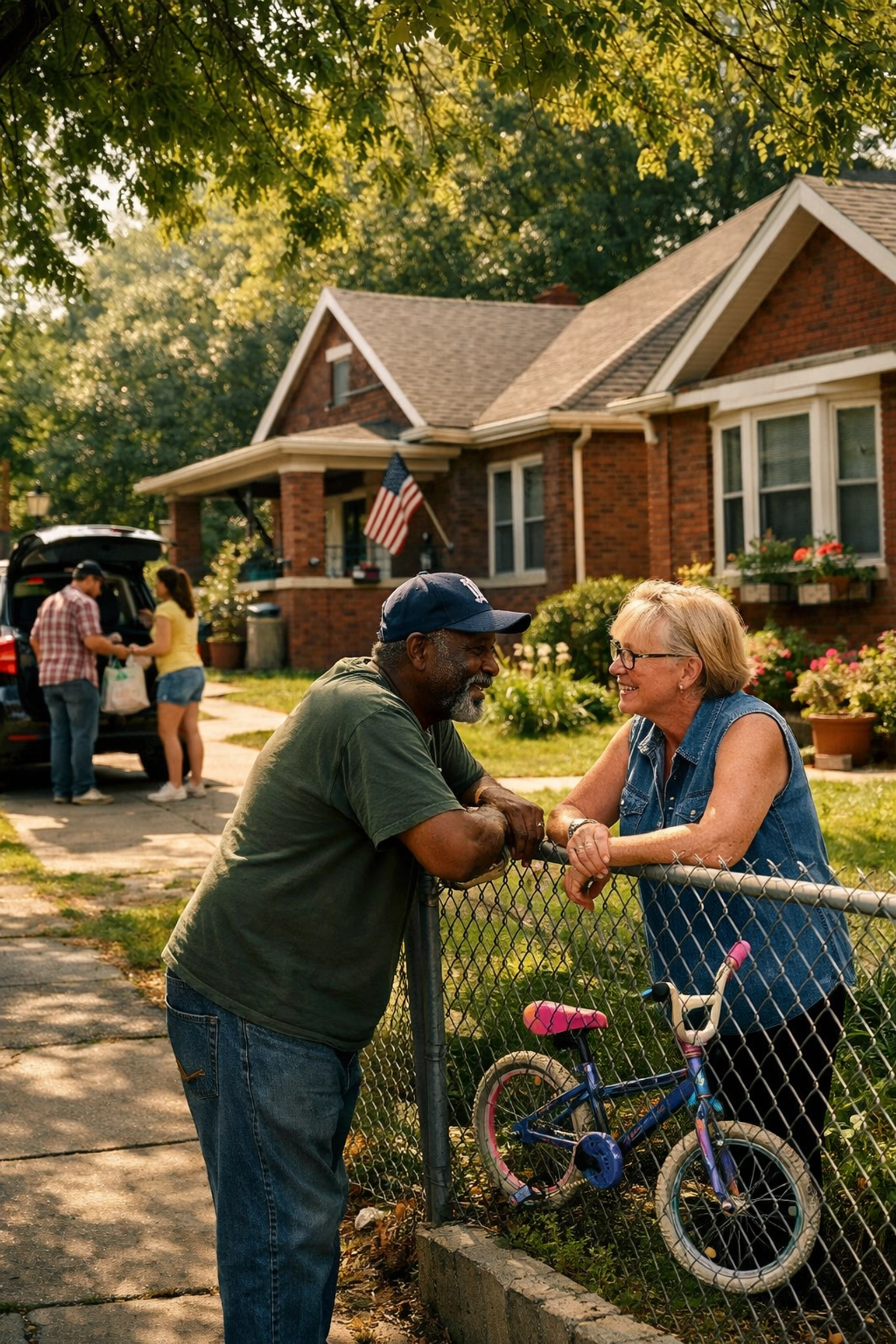
Detroit is a city of homeowners. It’s a city where your neighbor will help you shovel your snow and tell you which block club meeting you can’t miss. Don’t let the fear of property taxes keep you from finding your place in the D.
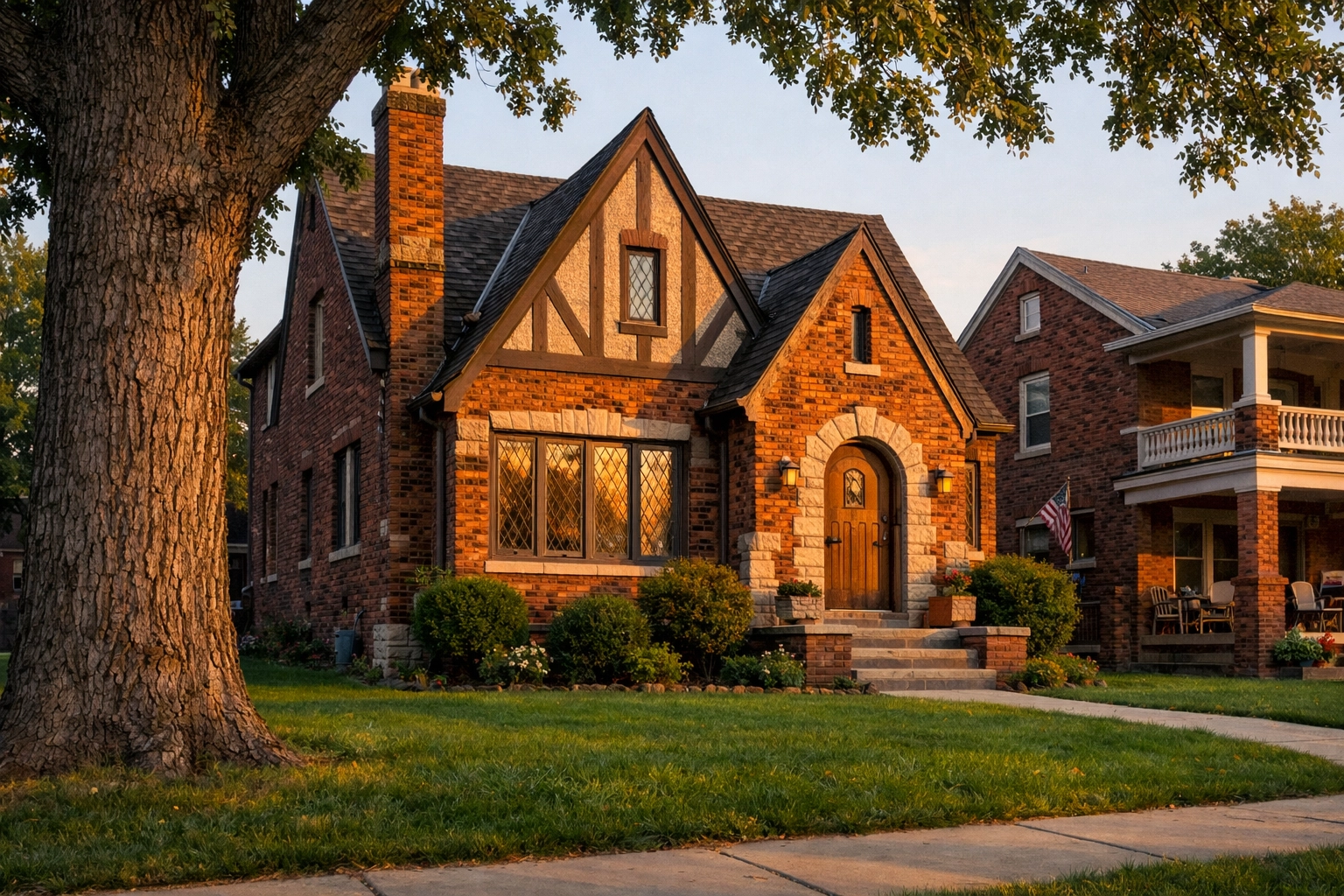
Ready to start your search for a classic Detroit brick Tudor? Or maybe a cozy bungalow in a quiet neighborhood? We’ve got you. Let’s make Detroit home together!
Heres a link to the cities website on the HOPE program! Click Here
Categories
- All Blogs (49)
- Community (19)
- Construction (4)
- Detroit (38)
- Don't do this! (3)
- Downpayment Assistance (7)
- Financing (8)
- First Time Home Buyer (17)
- Fun Fact (22)
- History (12)
- Home Maintenance (12)
- Idea's! (8)
- Money (3)
- Moving (11)
- Nerd (11)
- Pontiac (4)
- Real Estate (8)
- Renovations (4)
- Selling (3)
- Taxes (1)
- Title (1)
- Upgrades (4)
- You Should Know (15)
Recent Posts